Preschool is a magical time when children are naturally curious, imaginative, and ready to explore the world around them. Outdoor art activities offer a wonderful opportunity to blend creativity with hands-on learning while encouraging gross motor skills, social-emotional growth, and cognitive development.

Why Outdoor Art Matters in Early Education
Art is more than just creating pretty pictures—it's a powerful vehicle for learning and discovery. Outdoor art invites preschoolers to engage all their senses while connecting creativity to the natural world.
- Explore movement and coordination. Outdoor settings encourage children to stretch, bend, reach, and balance as they interact with materials in new ways. Running to collect leaves, reaching up to paint on large surfaces, or squatting to arrange stones all integrate physical activity with creative expression.
- Experiment and solve problems naturally. Working with natural materials encourages trial-and-error thinking. Children test which objects work best for their ideas, adjust their approaches, and develop persistence—all while exploring their own creative solutions.
- Engage curiosity and observation. Nature provides endless opportunities for wonder. Children notice patterns in leaves, shapes in stones, and colors in flowers, which nurtures observation skills, imagination, and an early sense of scientific inquiry.
- Connect with others through collaboration. Outdoor art often happens in social settings where children share materials, discuss ideas, and negotiate space, supporting empathy, communication, and cooperative play.
Outdoor art uniquely combines creativity, physical activity, and sensory experiences. Being outside encourages freedom, exploration, and self-expression in ways that indoor activities alone cannot replicate.
Aligning Outdoor Art with Preschool Curriculum Goals
Outdoor art also aligns closely with key preschool curriculum domains, reinforcing learning objectives in structured ways:
- Physical Development: Activities outside support both large and small muscle growth. Children strengthen gross motor skills by painting on easels or rolling clay into shapes, and refine fine motor skills by picking up small sticks, pressing leaves into prints, or arranging pebbles.
- Cognitive Development: Outdoor art fosters early problem-solving, pattern recognition, counting, and spatial reasoning. Children plan and experiment with materials, developing critical thinking and decision-making skills.
- Social-Emotional Growth: Working on shared projects teaches children to cooperate, take turns, express ideas, and manage emotions, helping them build confidence and positive peer relationships.
- Language and Literacy: Conversations about materials, colors, textures, and creative choices enrich vocabulary, storytelling, and descriptive language, supporting communication skills that transfer to other learning areas.
- Science Exploration: Natural materials become tools for inquiry. Children observe textures, patterns, and cause-and-effect relationships, promoting early scientific thinking and a curiosity-driven approach to learning.
When outdoor art is intentionally connected to curriculum goals, it becomes more than a craft—it supports holistic development while keeping learning playful, hands-on, and engaging.
Preparing for Outdoor Art Activities
Before starting outdoor art, planning and preparation are key:
- Select a Safe Space: Make sure the area is free from hazards and has room for movement.
- Gather Materials: Use non-toxic paints, chalk, natural materials, or recycled items.
- Dress Appropriately: Encourage children to wear clothes that can get messy.
- Set Expectations: Offer a gentle introduction to the activity, explaining rules, safety, and respectful sharing.
- Have a Clean-Up Plan: Outdoor art can be messy, so plan for cleaning supplies and storage.
A prepared environment sets children up for success, promoting independence and engagement.
Hands-On Activities to Encourage Creativity
Here are some hands-on activities that preschoolers will love:
1. Nature Paintbrushes
Nature offers an endless supply of inspiration, and even the simplest objects can become tools for creativity. One of the easiest ways to bring the outdoors into your preschool curriculum is by letting children paint with nature's brushes. Sticks, leaves, pinecones, and feathers can all double as unique paintbrushes, each producing different textures and patterns.
Children can explore how paint behaves on paper, pavement, or even large cardboard surfaces outside. This activity encourages experimentation and observation, helping children learn about textures, colors, and cause-and-effect in a playful, hands-on way. Educators can prompt discussion by asking, "What happens when we use a pinecone instead of a leaf?" This approach strengthens fine motor skills, fosters creativity, and turns a simple art activity into a meaningful learning experience.
2. Leaf Prints
Leaf printing is a beautiful way to connect art with science. Children collect leaves from the outdoor environment, observing their different shapes, veins, and sizes. When paint is applied and the leaf is pressed onto paper or fabric, it creates a clear imprint that highlights the leaf's unique details.
This process isn't just about making art—it's an opportunity for children to interact with the natural world and explore early math concepts such as symmetry, measurement, and pattern recognition. As children experiment with layering colors or arranging leaves by size, they're developing sensory awareness, critical thinking, and a deeper appreciation for plant life. This activity is a perfect example of how hands-on activities can support learning potential in preschoolers.
3. Chalk Murals
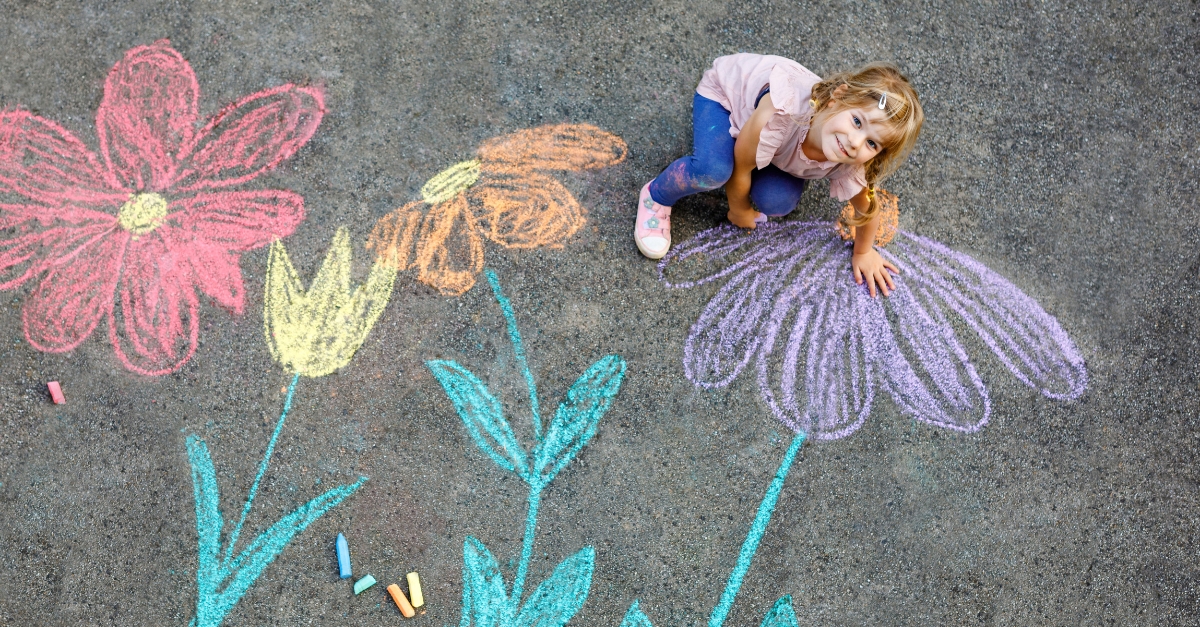
Chalk murals bring children together for large-scale outdoor creativity while blending art with literacy and numeracy skills. Preschoolers can draw shapes, letters, numbers, or even act out stories on the pavement. Large murals encourage children to move their whole bodies as they draw, supporting gross motor skills and physical coordination.
This collaborative activity also promotes social skills like sharing space, negotiating ideas, and celebrating each other's contributions. Teachers can guide the activity by asking questions such as, "How can we make a pattern using these shapes?" or "What story can we tell with our letters?" Chalk murals exemplify how outdoor art activities can be fully integrated into the preschool curriculum, making learning engaging, interactive, and meaningful.
4. Sand Art
Sand art transforms a simple outdoor space into a rich hands-on learning environment. Children can use sand to create patterns, letters, numbers, or even small sculptures on the ground, exploring both texture and structure. By incorporating natural materials like leaves, stones, or sticks, children experiment with combining elements, layering shapes, and arranging objects to make designs come alive.
This activity encourages tactile exploration, creativity, and coordination, while also offering an opportunity to develop gross motor skills through scooping, patting, and shaping the sand. Teachers can enhance learning by asking questions like, "How many shells can you fit in your design?" or "What patterns do you notice when you mix sand and stones?"
Sand art also introduces science concepts in a playful way. Children learn about the properties of sand and other natural materials, fostering early observation skills and curiosity about the natural world. Integrating sand art into your preschool curriculum makes learning active, sensory-rich, and connected to real-life exploration.
5. Outdoor Collages
Outdoor collages are a perfect blend of creativity, nature, and hands-on activities. Children gather materials from their environment—twigs, petals, leaves, stones—and arrange them to form pictures or abstract designs. This type of activity encourages experimentation, decision-making, and aesthetic expression, making it much more than "craft time." You can put mac-tac on the ground that children can stick their collected items onto so you can bring your outdoor collage inside!
As children manipulate materials, they strengthen fine motor skills, practice sorting, and develop concept recognition—learning to identify shapes, colors, and textures. Teachers can extend learning by asking children to describe the materials they chose, compare sizes or colors, or create patterns, which integrates math and science in a natural way.
Outdoor collages also introduce important environmental science concepts. Children observe and interact with living and non-living elements of their surroundings, gaining awareness of nature and sustainability. By including this type of activity in a preschool program, educators create meaningful, sensory-rich experiences that connect creativity with learning, student engagement, and curiosity about the world.
Encouraging Child-Led Exploration
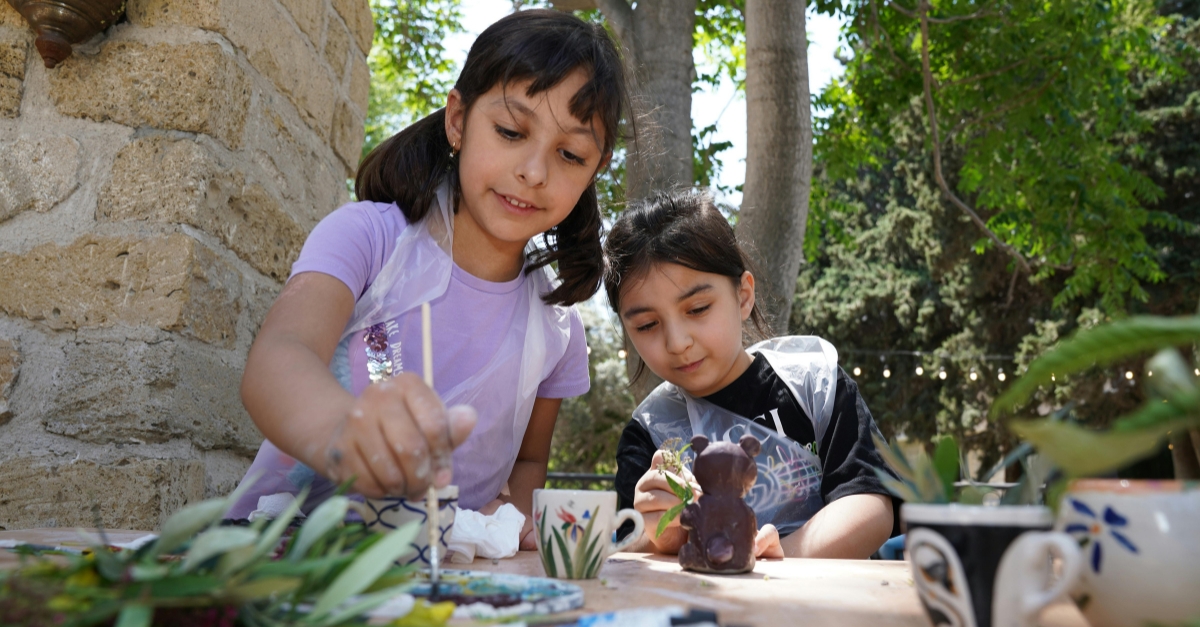
Child-led exploration is at the heart of effective early education, especially in art. When children take the lead in their creative activities, they're not just "making art"—they're practicing critical thinking, decision-making, and self-expression. This approach allows children to follow their own curiosity, experiment with materials, and explore ideas in ways that are meaningful to them.
By guiding their own projects, children naturally develop problem-solving skills. For example, when a child decides how to use sticks and leaves in a collage, they weigh choices, test arrangements, and adjust their design based on what works best. These small decisions strengthen their confidence and reinforce that their ideas matter.
Child-led exploration also lets children make choices that reflect their interests and learning goals. A preschooler might choose to focus on shapes and patterns, while another might be more interested in textures or colors. Allowing children to follow their own interests increases engagement and fosters a sense of ownership over their learning progress—an essential factor for long-term motivation and growth.
Teachers play a supportive role by helping to source a wide variety of materials, posing open-ended questions, and observing rather than directing. Questions like "What do you want to do with these leaves" or "How does your sand feel?" encourage reflection, experimentation, and conversation. By stepping back and trusting children to explore, adults create an environment where creativity thrives, curiosity is celebrated, and hands-on activities become rich opportunities for growth across cognitive, physical, and social-emotional domains.
Supporting Social-Emotional Learning Through Art
Outdoor art isn't just a creative outlet—it's a powerful way to nurture social-emotional development in preschoolers. When children engage in collaborative projects, they learn important skills like cooperation, sharing, and turn-taking. For example, when several children work together to create a large chalk mural or a group nature collage, they negotiate ideas, make joint decisions, and practice patience—all while having fun and feeling a sense of accomplishment.
Reflecting on artwork is another key aspect of social-emotional growth. Encouraging children to talk about their creations—what they like, what they struggled with, or what story their piece tells—promotes self-expression, empathy, and emotional awareness. It also allows educators to understand children's thought processes and celebrate their creativity.
Finally, celebrating completed projects builds confidence and pride, reinforcing the value of effort and perseverance. Activities that invite dialogue, like group murals or storytelling through art, also strengthen communication skills and foster positive teacher-student relationships. Outdoor art, when intentionally guided, becomes a holistic tool that supports both emotional intelligence and learning potential, giving children the confidence to explore and express themselves in other areas of the preschool curriculum.
Creating Intentional Learning Environments
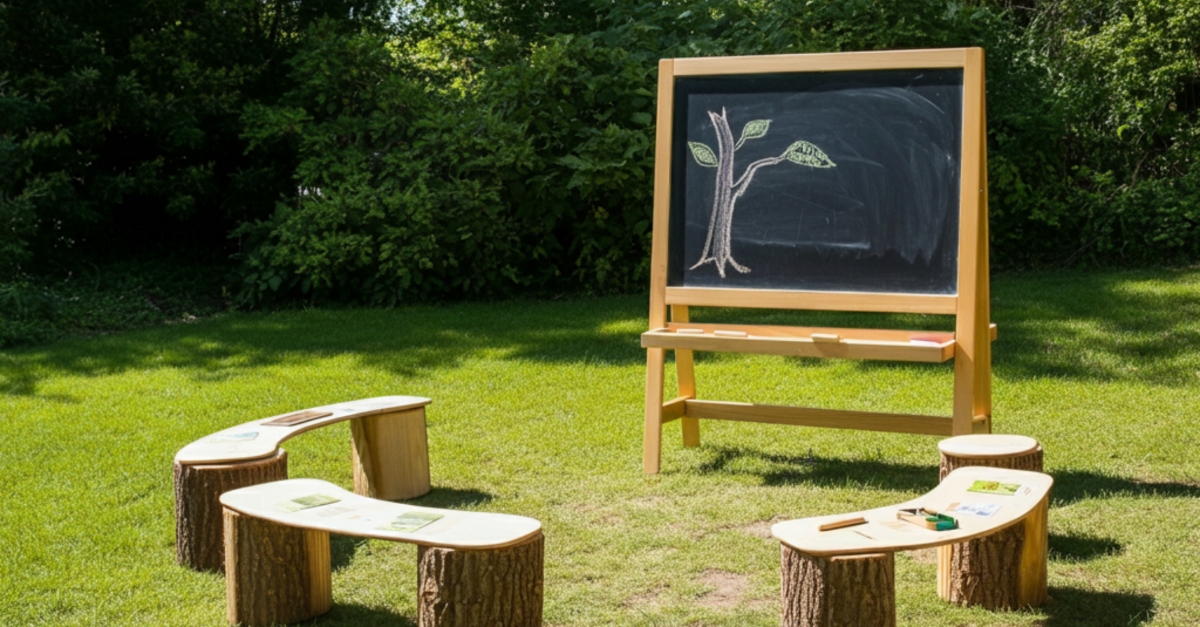
Outdoor art is most effective when embedded in intentional learning environments designed to spark curiosity, independence, and exploration. This begins with defining clear activity zones—painting, sculpting, chalk, sand play—so children understand the purpose of each space and can move freely between activities. Thoughtful organization ensures that materials are safe and age-appropriate, minimizing risks while encouraging exploration. It also provides guidance for children who may choose not to participate in outdoor art at a given moment, offering quiet spaces or alternative activities nearby where they can observe, reflect, or engage in parallel play. By structuring the environment in this way, educators create a space where all children feel included, can make choices safely, and can engage in hands-on activities at their own pace.
Rotating materials regularly keeps children interested and encourages repeated exploration. For instance, helping children to find new natural elements like pinecones, stones, or leaves each week gives children fresh inspiration while reinforcing connections to the natural world. Displaying children's work outdoors or in a classroom area validates their creativity, provides a sense of accomplishment, and lets students see their progress over time.
Intentional environments also integrate nature and real-world elements to enhance learning potential. By blending structure with freedom, these setups encourage independence, collaboration, and sustained engagement. When outdoor art spaces are carefully prepared and thoughtfully maintained, children are more likely to explore boldly, problem-solve creatively, and enjoy a rich, hands-on learning experience that supports both their physical and cognitive development.
Outdoor Art for Diverse Learners
Outdoor art is naturally inclusive and adaptable, making it an ideal component of a preschool curriculum that meets the needs of all children. By using materials that are accessible to everyone, educators ensure that every child can participate safely and confidently. Offering gentle introductions to new activities helps children who may be hesitant feel comfortable and supported, while adapting projects for different ages, abilities, and interests allows each child to engage at their own level.
Children can express creativity in multiple formats, including drawing, painting, building, or movement, giving them freedom to explore what feels most natural. This approach aligns with developmentally appropriate practices and ensures that every child experiences success and joy in their learning, while still fostering hands-on activities, social-emotional growth, and engagement with the natural world.
Tips for Successful Outdoor Art Activities
- Ensure children feel safe, supported, and free to explore.
- Rotate materials regularly to keep activities fresh and spark curiosity.
- Allow messy exploration to encourage experimentation, problem-solving, and sensory learning.
- Introduce new materials or techniques gradually to build confidence.
- Encourage collaboration and interaction to develop social skills and a sense of community.
- Include reflection time—talk with children about what they discovered, enjoyed, or how they solved challenges.
- Combine consistency, flexibility, and encouragement to foster confidence, independence, and a love of learning.
- Use outdoor art as a space for children to engage with the natural world, practice hands-on skills, and explore their creativity freely.
Making Outdoor Art Part of Every Preschool Curriculum
Outdoor art is a versatile, joyful, and developmentally rich part of any preschool curriculum. It combines creativity, movement, and discovery, allowing children to explore the natural world, develop essential skills, and build confidence in ways that traditional classroom activities alone cannot achieve. Activities can be adapted to suit different ages, abilities, materials, and seasons, ensuring that every child experiences success and engagement.
When thoughtfully incorporated into a preschool curriculum, outdoor art becomes more than just play—it supports holistic growth, from physical and social-emotional development to cognitive skills and creative expression. Educators can enhance these experiences by providing accessible materials, encouraging experimentation, documenting progress, and prompting reflection on learning outcomes.
The result is children who are curious, confident, and ready to embrace new challenges both inside and outside the classroom. Outdoor art enriches the school year, cultivates a lifelong appreciation for creativity and nature, and transforms everyday exploration into meaningful, hands-on learning experiences. So gather your materials, step outside, and let children create, discover, and grow!