Why Earth Day matters in early education
Earth Day offers a meaningful opportunity in early education settings to connect children with the natural world in a purposeful and developmentally appropriate way. In a preschool curriculum, seasonal events like Earth Day are more than celebrations—they become rich teaching moments that support holistic learning.
In a well-designed preschool curriculum, children are encouraged to explore, question, and engage with the world around them. Earth Day provides a natural entry point for this kind of exploration.
For many preschoolers, Earth Day activities support curiosity about the environment, animals, weather, and plants while also building foundational skills across communication, social development, and early science understanding.
This guide explores how to celebrate Earth Day in your preschool program using hands-on, play-based, and meaningful experiences that align with Developmentally Appropriate Practice (DAP) and support children's learning and development.
Understanding Earth Day in a Preschool context
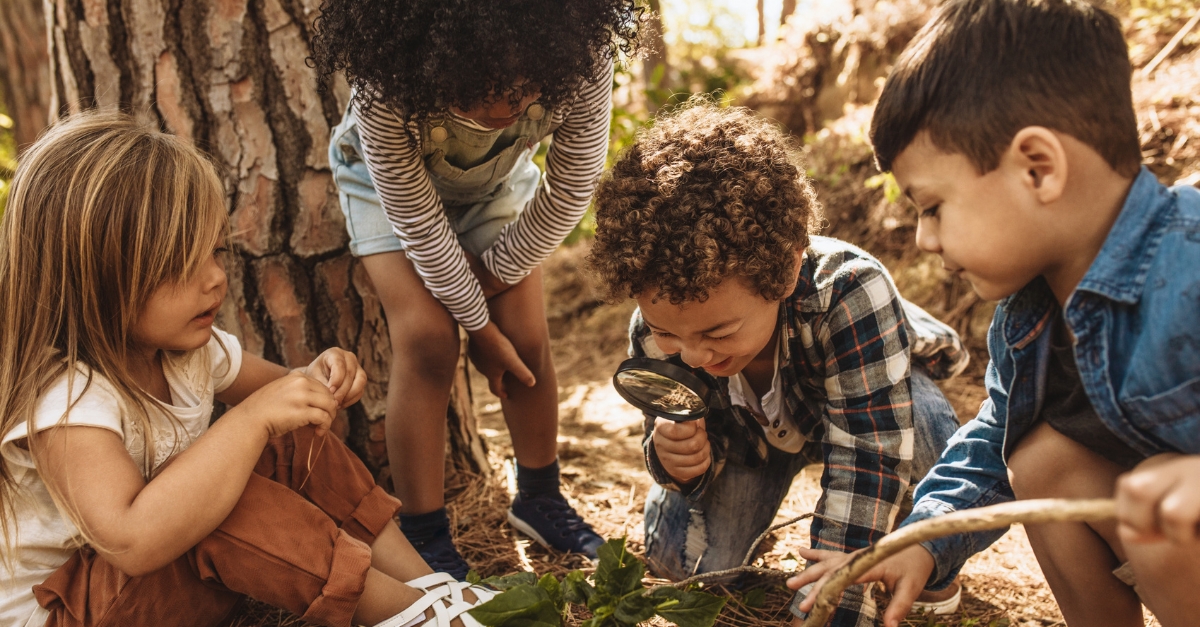
Earth Day in preschool works best when it stays concrete, simple, and connected to children's everyday experiences. At this age, young children are not ready for abstract environmental lessons. Instead, they build understanding through what they can see, touch, hear, and explore in their immediate environment.
In early education, Earth Day becomes meaningful when it is woven into the daily rhythm of the preschool program. Educators can use it as an opportunity to slow down and draw attention to the natural world that surrounds children—whether that's noticing changes in weather, observing plants growing outdoors, or talking about animals they recognize from their home, books or play.
The real value of Earth Day in a preschool setting is not in teaching environmental facts, but in creating space for curiosity. When educators design experiences that invite children to observe, ask questions, and explore materials like soil, water, leaves, and recycled objects, they are supporting deeper learning. Children begin to build early connections between their actions and the world around them in ways that feel natural and developmentally appropriate.
Ultimately, Earth Day in preschool is less about "teaching the planet" and more about helping children feel part of it—through hands-on exploration, conversation, and play that supports their growing understanding of the world.
Developmentally appropriate Earth Day Learning
Developmentally Appropriate Practice (DAP) means that any preschool curriculum should match how young children actually learn—through hands-on exploration, repetition, play, and meaningful connection to their daily experiences. For Earth Day, this means avoiding abstract ideas about "saving the planet" and instead focusing on simple, observable experiences children can engage with directly.
A gentle introduction to environmental learning might include activities like exploring leaves, sorting natural materials, watering plants, or talking about what children notice outside during outdoor play or on a nature walk in their community. These kinds of experiences help children begin building awareness of the natural world in a way that feels familiar and accessible, rather than overwhelming or conceptual.
When Earth Day is designed with development in mind, it naturally supports multiple areas of growth within a preschool curriculum. Children build cognitive skills as they observe and compare natural objects, social-emotional skills as they collaborate during group activities, and physical development as they engage in outdoor exploration and hands-on materials.
In this way, Earth Day becomes less about teaching a "topic" and more about creating developmentally appropriate experiences that support how preschoolers learn best—through doing, noticing, and interacting with the world around them.
The role of play in Earth Day learning
Play is at the heart of an effective preschool curriculum because it reflects how young children naturally explore, test ideas, and make sense of the world. Through play, children aren't just "learning about" concepts—they are actively experiencing them in ways that are meaningful and memorable.
When Earth Day is introduced through play-based learning in the preschool environment, it becomes more than a themed activity. Instead of focusing on teaching environmental facts, educators can create open-ended experiences where children explore natural materials, experiment with how things feel and change, and follow their own curiosity.
For example, children might dig into soil to discover textures and small objects, sort leaves and stones by size or colour, or use natural materials in pretend play scenarios like "garden center" or "outdoor explorer." In these moments, they are developing thinking skills, language, cooperation, and creativity without needing direct instruction.
In a strong preschool curriculum, these kinds of play experiences are intentionally designed, not left to chance. Educators observe what children are interested in, extend their thinking with questions, and introduce new materials that deepen engagement.
Earth Day, when approached through play, becomes a natural extension of how preschoolers already learn—through exploration, imagination, and hands-on interaction.
Creating an Earth Day-Friendly Preschool Environment
Hands-on learning and Earth Day
Hands-on learning is where Earth Day becomes truly meaningful in a preschool curriculum. Instead of talking about nature, children experience it directly through touch, movement, and exploration.
Try these real, ready-to-use hands-on learning ideas in your preschool program:
- "Nature Basket Sensory Exploration": Fill baskets with pinecones, stones, feathers, and sticks. Invite children to sort, stack, compare, and describe textures.
- Soil exploration station: Add scoops, cups, and small tools so children can dig, pour, and experiment safely.
- "What happens if…" table: Let children test natural materials in water (sink/float, absorb/change).
These experiences strengthen focus, early inquiry skills, and engagement in ways that align with a play-based preschool curriculum.
Integrating science into Earth Day activities
Earth Day is a natural entry point for early science in preschool because children are already wired to observe change and ask "why."
Here are practical science experiences you can set up in your preschool curriculum:
- Seed growth experiment: Plant beans in clear cups so children can see roots form over time.
- Weather tracking board: Each morning, children choose symbols (sun, cloud, rain) and talk about what they notice.
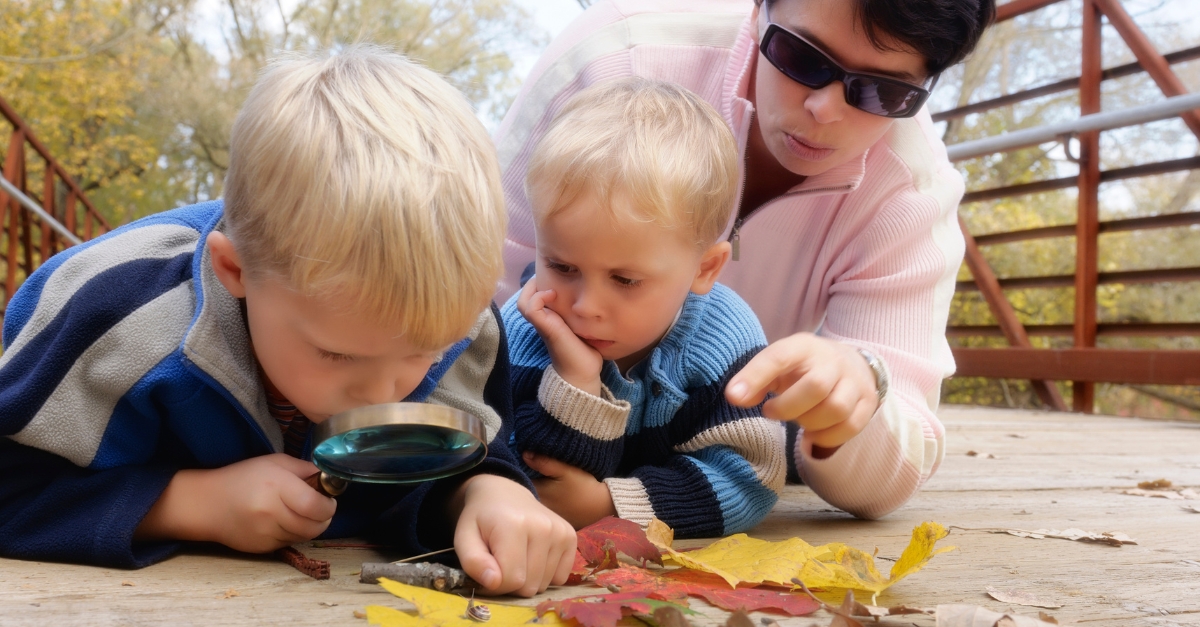
- Natural materials exploration station: Set up a collection of natural items like leaves, sticks, pinecones, rocks, bark, feathers, and seed pods. Invite children to explore them using their senses—looking closely with magnifying glasses, feeling textures, comparing sizes, and describing what they notice.
Supporting gross motor skills outdoors
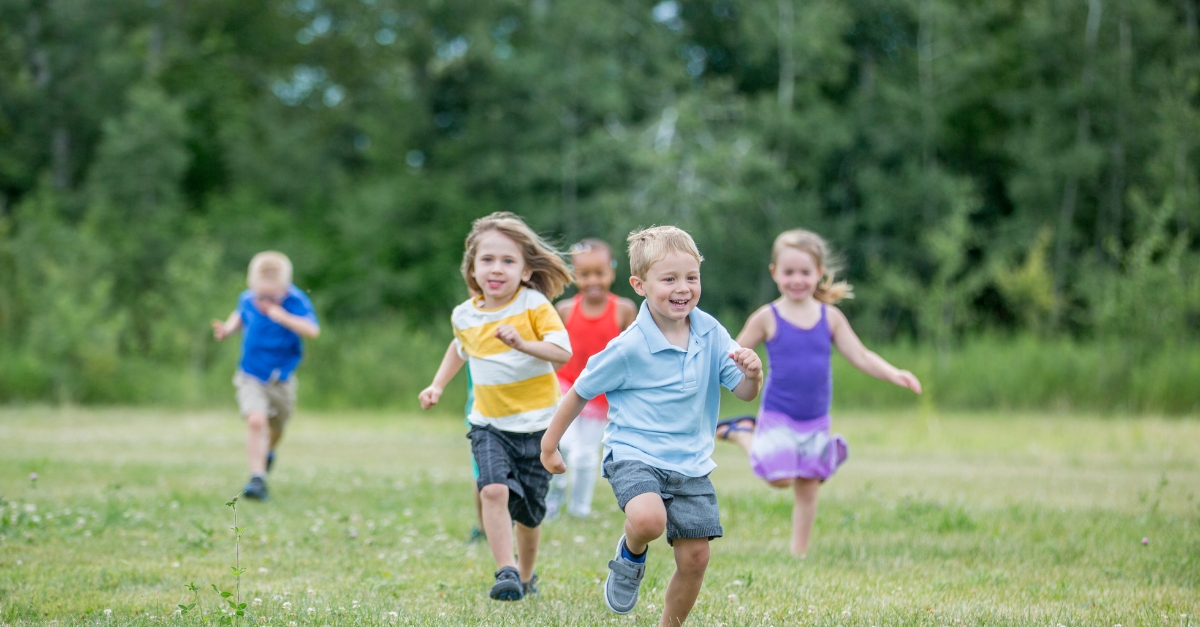
Earth Day is one of the easiest ways to naturally strengthen gross motor skills in preschoolers because the outdoor environment invites movement without structure feeling forced.
Try these outdoor learning ideas:
- Nature scavenger hunt walks: Children run, bend, stretch, and climb while searching for natural objects.
- Digging and building zones: Provide sand, soil, or dirt areas with shovels and buckets.
- "Move like nature" game: Hop like rabbits, sway like trees, crawl like insects.
These activities support coordination, balance, and spatial awareness while keeping learning playful and active within your preschool program.
Arts and creativity in Earth Day learning
Earth Day art in preschool works best when it connects directly to natural materials instead of pre-cut crafts. This keeps the experience open-ended and developmentally appropriate.
Try these ideas in your preschool curriculum:
- Land art creations: Children build pictures or patterns using sticks, leaves, stones, and petals outdoors.
- Nature printing station: Use paint and leaves or bark for texture painting and prints.
- Recycled building challenge: Offer boxes, tubes, and containers and invite children to create something new from "used" materials.
These hands-on activities support creativity, fine motor skills, and decision-making while keeping children deeply engaged in the process.
Literacy connections: stories about nature
Earth Day is a perfect moment to strengthen literacy in a meaningful, real-world way within your preschool curriculum.
Instead of only reading books, extend literacy into interaction:
- Read stories about animals, weather, plants, and recycling
- Pause and ask children to predict what might happen next
- Invite children to act out parts of the story using movement or props
You can also create a simple classroom Earth Day story corner with themed books and natural objects connected to each story. This helps children build vocabulary and comprehension through connection.
Building vocabulary through Earth Day
Earth Day vocabulary becomes most powerful when it is tied to real experiences, not isolated word lists.
In preschool, introduce words naturally during play:
- recycle
- environment
- habitat
- soil
- grow
- protect
Instead of focusing on definitions, use repetition in context:
- "The soil feels dry today."
- "Let's put this in the recycling bin."
- "This is where animals might live—this is their habitat."
This supports language development in a way that feels natural within a preschool curriculum.
Math learning through nature exploration
Earth Day offers countless opportunities for early math without worksheets or formal instruction.
Try these simple, meaningful activities:
- Leaf counting walks: "Can you find 5 leaves?"
- Rock comparison station: Which is bigger, smaller, heavier, lighter?
- Sorting challenges: Group natural objects by size, colour, or shape
These activities help preschoolers develop early number sense, classification skills, and pattern recognition through play-based learning.
Earth Day sensory experiences
Earth Day naturally lends itself to sensory-rich learning, which is essential in preschool development.
Set up rotating sensory experiences:
- soil and digging materials
- water play with natural objects
- sand exploration with hidden items
- leaf and texture trays
Encourage descriptive language like rough, smooth, wet, dry, soft, and cold. These experiences strengthen cognitive development and sensory processing skills in young children.
Child-led exploration in nature
Earth Day is an ideal moment to lean into child-led learning within a preschool curriculum.
Instead of directing all activities, observe what children are drawn to:
- insects
- mud and soil
- plants
- water
Then extend their curiosity:
- add magnifiers for insect exploration
- introduce containers for collecting natural objects
- ask open-ended questions based on their interests
This approach supports independence, confidence, and deeper engagement.
Outdoor Classrooms and Earth Day
Earth Day is the perfect gentle introduction to using your outdoor space as a true extension of your preschool curriculum. Instead of viewing outdoor time as a break from learning, Earth Day invites educators to see it as a rich classroom filled with real materials, real questions, and real discovery.
Here's how to make your outdoor classroom intentional and exciting:
Set up a Nature Exploration Zone
Create a simple station with baskets, magnifying glasses, clipboards, and containers. Invite children to collect leaves, observe insects, compare rocks, or examine bark textures. These hands on activities encourage close observation and curiosity without over-directing the experience.
Create a Quiet Observation Corner
Lay out blankets or small stumps in a shaded area. Encourage children to sit, listen, and notice sounds in the environment. Ask gentle prompts like:
- "What do you hear?"
- "What is moving?"
- "What changed since yesterday?"
This supports focus, sensory awareness, and self-regulation.
Offer Loose Parts for Outdoor Building
Provide sticks, logs, stones, pinecones, and recycled materials for open-ended construction. Children might build shelters for animals, create imaginary habitats, or design obstacle paths. These hands-on activities build problem-solving skills and collaboration naturally.
Allow Extended Free Exploration Time
Sometimes the most powerful learning happens when children are simply given time. Unhurried exploration allows deeper engagement and creativity to emerge. Within a strong preschool curriculum, this time is not "extra"—it is foundational to development.
When outdoor environments are treated as essential learning spaces rather than optional add-ons, children begin to see the natural world as part of their everyday experience.
Earth Day and Early Scientific Thinking
Earth Day provides the perfect introduction to scientific thinking in preschool. At this stage, science is about noticing, wondering, and revisiting ideas over time.
You can support early inquiry through simple, repeated experiences:
Watch Seeds Grow
Plant seeds in clear containers so children can see roots forming. Encourage them to draw what they notice every few days. Ask:
- "What changed?"
- "What stayed the same?"
- "What do you think will happen next?"
This builds observation and prediction skills through hands on activities.
Track Plant Differences
Compare two plants placed in different conditions (light vs. shade, more water vs. less). Keep the experiment simple. Invite children to share their thinking rather than pushing for correct answers.
These small investigations help children develop foundational science skills like comparison, cause and effect, and pattern recognition. In a strong preschool curriculum, scientific thinking grows through experience, repetition, and reflection.
Connecting Earth Day to Everyday Learning
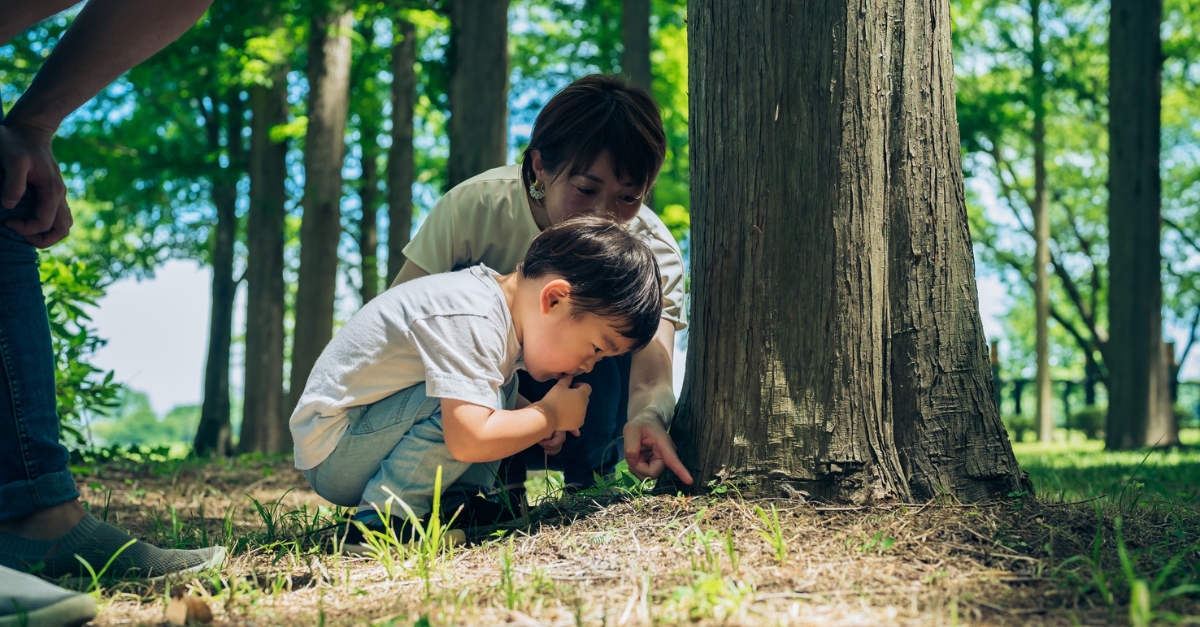
Even once Earth Day is over, try embedding the natural world into your lesson plans and encourage ongoing exploration throughout the school year.
In a strong preschool curriculum, Earth Day learning continues through daily routines and hands-on activities such as: nature explorations and discussions, weather observations, caring for plant life, learning to reuse materials. By weaving these experiences into everyday practice, Earth Day becomes more than a one day celebration—it becomes part of how children understand their environment. This continuity strengthens development across cognitive, physical, and social-emotional domains while making learning feel authentic and connected to real life.