Strong early literacy skills are the foundation for a child's lifelong success. Research consistently shows that early reading experiences—especially those that are intentional and interactive—are linked to stronger vocabularies, better comprehension, and higher academic achievement later in life.
In early learning classrooms, every story shared, every discussion prompted, and every new word introduced helps children develop the tools they'll need to become confident readers and communicators. That's why our curriculum kits are designed to support print-rich environments—spaces where words, books, and meaningful conversations surround children each day.
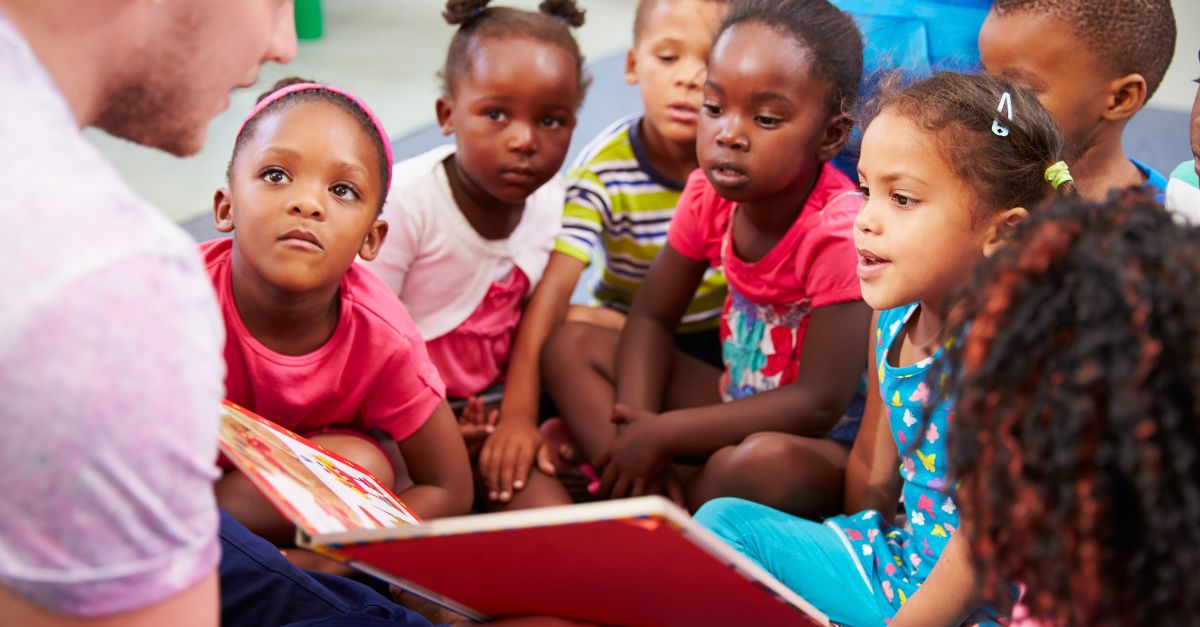
From Listening to Understanding: The Power of Intentional Reading
Children in preschool and pre-kindergarten learn best when reading time is more than a quiet story. Research highlights three highly effective strategies that transform ordinary storytime into powerful literacy-building moments:
- Shared Interactive Reading: When educators pause to ask questions, explain illustrations, and connect stories to children's lives, young learners become active participants rather than passive listeners.
- Dialogic Reading: Letting children "tell" the story using pictures or memory helps them practice expressive language, recall key details, and build comprehension in meaningful ways.
- Repeated Reading: Reading the same book multiple times may seem simple, but repetition helps children internalize new words, understand the story structure, and make lasting connections between language and meaning.
Each of these practices invites children to think, question, and engage—and they all work beautifully together in a classroom where books are woven into every part of the day.
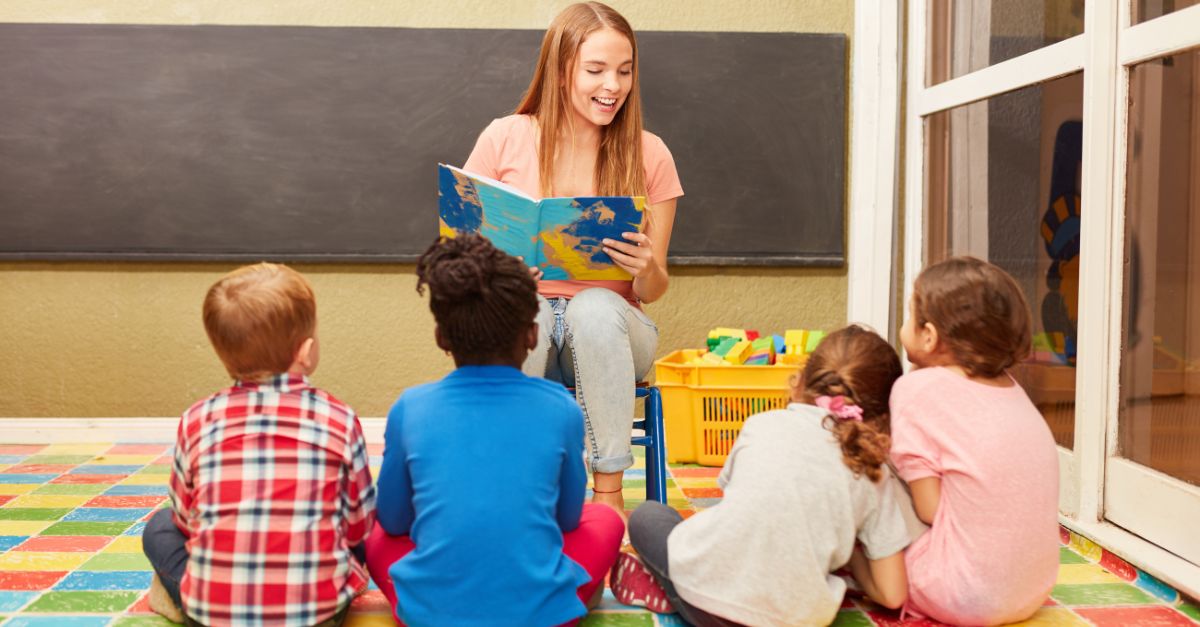
Creating a Print-Rich Environment
Our monthly kits are intentionally designed to help educators create classrooms where language is everywhere. Each kit includes developmentally appropriate books, labeled materials, and literacy props that invite children to explore words and symbols throughout the day.
Teachers can extend learning beyond circle time by adding books to every center, labeling classroom materials, and using print during play—turning block towers, pretend kitchens, and art corners into literacy-rich experiences.
In a print-rich environment, children begin to see that words have power: they name, describe, and tell stories. These daily encounters with text spark curiosity and strengthen vocabulary naturally.
Daily Reading and Discussion Opportunities
The best literacy growth happens when reading and conversation happen every day. Each story read aloud can become a springboard for meaningful discussion—about characters' choices, children's own experiences, or connections to other classroom activities.
Our curriculum kits make this easy by pairing books with guided discussion questions, story-based activities, and hands-on materials that help children use new vocabulary in real contexts. Whether it's acting out a story, sorting story props, or creating art inspired by a favorite character, every activity is a chance to talk, listen, and learn new words together.
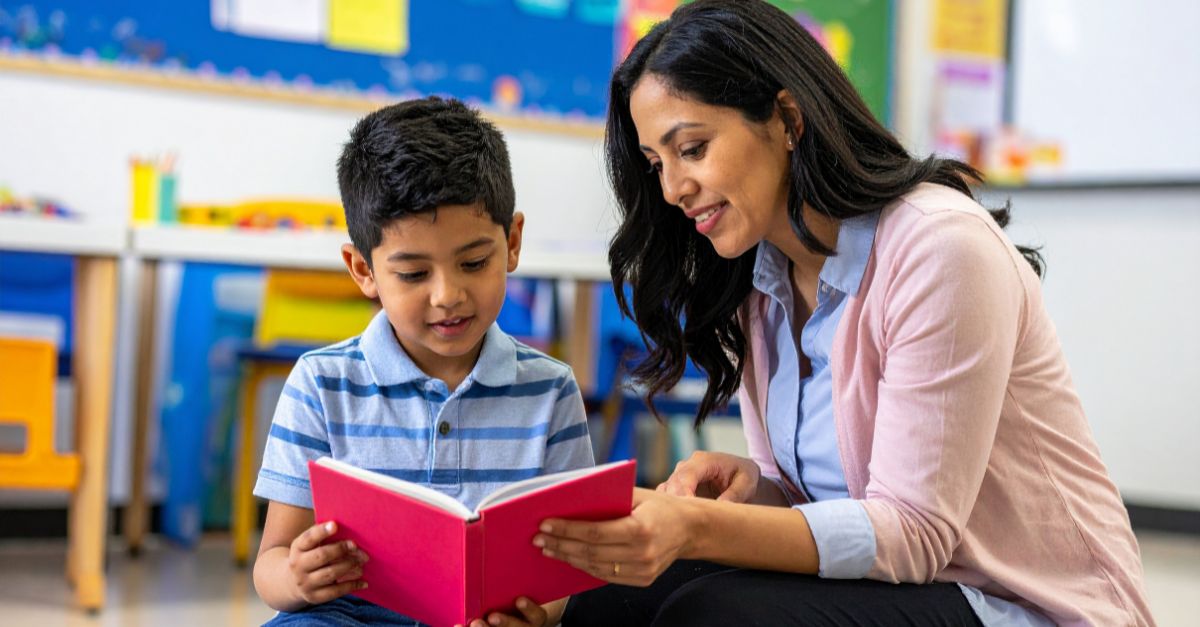
Bringing It All Together
When teachers combine intentional reading strategies with a print-rich classroom and daily opportunities for conversation, they lay the groundwork for lifelong literacy. Children who experience these environments not only enter kindergarten with stronger vocabularies, they also carry a love of reading that will support them throughout school and beyond.